


The need for children’s mental health care is growing, and the resources to meet it are not keeping pace.
Nicole does not shy away from that reality. She speaks about it plainly because she has seen what is at stake. When children are navigating trauma or challenges without support, they cannot fully show up at school, at home, or in their everyday lives. And when those needs go unmet, the impact does not disappear. It grows.
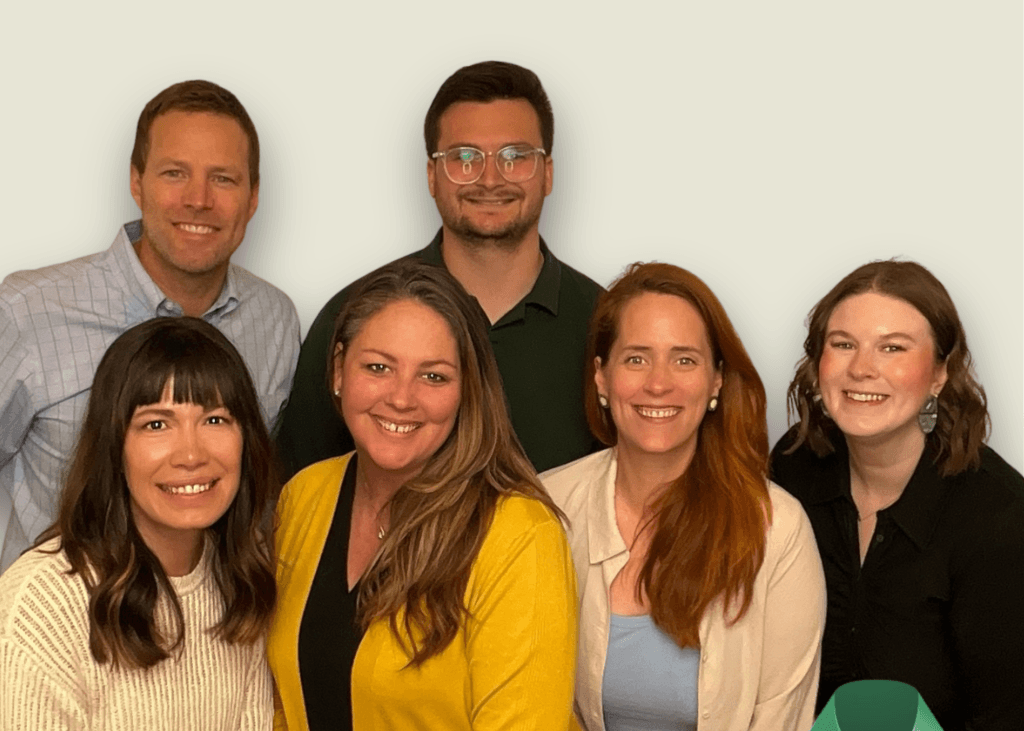
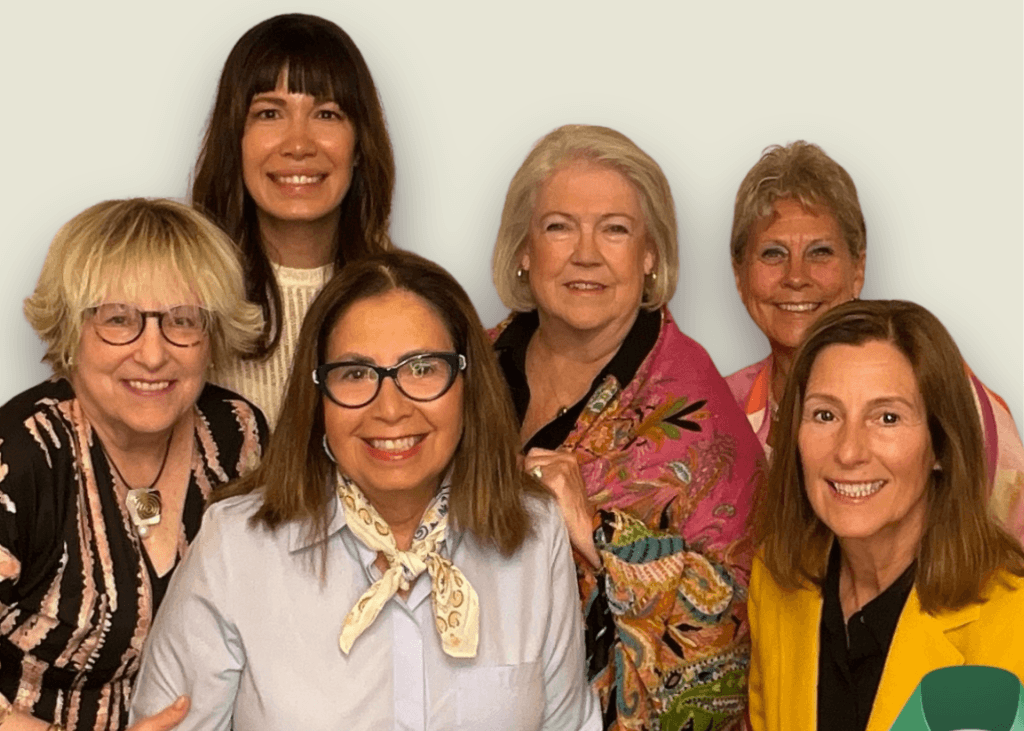
“Kids are our future,” she says. “If we do not help them thrive now, we risk what comes next.”
That belief is what drives her commitment to Orchard Place, but her connection to the organization started in a much quieter moment.
Five years ago, she volunteered to help clean up a garden on campus. It was simple work, but something unexpected stayed with her. As groups of youth walked by with their care teams, she noticed how they interacted. They were smiling, laughing, talking with one another like any group of kids.
“The light of Orchard Place seemed to shine so bright that day,” she says. “You could see the impact just in the way they interacted.”
That moment shifted something for her.
Although she had been approached by other organizations in the past, none had fully aligned. Giving back had always been part of her life, shaped by parents who believed in sharing their time, their resources, and their success to make their community better. Orchard Place felt different. It connected both her values and her sense of purpose.
Stepping into a board role was not just about service. It was about continuing a legacy and investing in something she believes is essential.
For Nicole, mental health care is not an added support. It is a basic need.
When children receive the care they deserve, they gain the ability to heal, to grow, and to build a future where they can thrive. That future does not just impact them. It strengthens families, schools, and entire communities.
Nicole understands that creating that kind of impact does not happen alone. It requires people.
That is where her village comes in.
She describes it as a network of individuals who are willing to show up, people who understand that success is not just something to hold onto, but something to share. Many of them have been touched by mental health in some way, which makes the cause deeply personal.
“I’m lucky to be surrounded by people who want to do good,” she says. “When you reach out, the answer is usually, ‘How can I help?’”
Nicole has made it a priority to bring those people into the mission. Whether inviting someone to an event or simply starting a conversation, she focuses on building awareness first. She believes many people want to help; they just need to understand where the need is.
“Education is half the battle,” she says. “Once people understand, they are inspired to do their part.”
To her, this is what it means to leverage your village.
It is about recognizing the influence you already have, your relationships, your network, your voice, and using it to create change. In a community like Des Moines, she has seen how powerful that can be when people come together with shared purpose.
Connections turn into action. Action turns into impact. And impact changes lives.
For those who feel called to help but are not sure where to start, Nicole offers a simple approach. Think about what matters most to you. Find organizations doing that work. Then take one step.
Volunteer. Attend an event. Give what you can.
Because when individuals take that first step and invite others to do the same, something bigger begins to take shape.
A village.
And when that village comes together, it creates a future where every child has the opportunity to heal, grow, and thrive.

